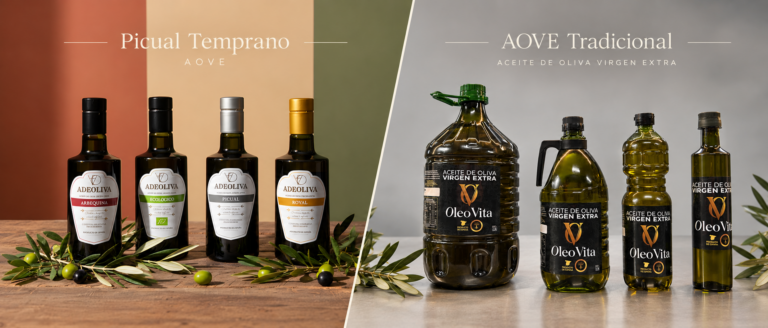
When the new olive oil harvest arrives, two terms start to appear that can be confusing: EVOO and early harvest olive oil.
Are they the same? Is one better than the other? Why do some early harvest oils cost more? And what difference will you actually notice when you taste them?
The first point is important: an early harvest EVOO is still an EVOO. The difference lies in when the olives are picked and, as a result, in the characteristics the oil can have.
What is the difference between early harvest olive oil and a traditional EVOO?
The main difference is when the olives are harvested. Early harvest oil comes from olives picked at an earlier stage of ripeness (between late September and early November), while in a later-harvest EVOO, the olives are picked when the fruit is riper (from mid-to-late November).
The harvest date shapes the sensory profile of the oil. Early harvest EVOO usually has fresher, greener, more vegetal aromas, with more pronounced bitterness and pepperiness, while later-harvest oils tend to offer riper notes and a softer, more balanced feel in the mouth.
Early harvest EVOO can cost more because green olives yield less oil. Even so, price alone doesn’t determine the quality of an oil.
Because of its intensity, early harvest EVOO is especially good raw, while a later-harvest oil can be milder and more versatile for everyday use.
Neither is better than the other: it depends on what you’re looking for. If you want intensity and green notes, choose an early harvest EVOO; if you prefer a milder, riper profile, go for a later-harvest one.
What exactly is early harvest olive oil?
“Early harvest” refers to when the olives are picked. So an early harvest EVOO is simply an EVOO made from olives harvested at an earlier stage of ripeness.
That means the comparison isn’t between “early harvest EVOO” and “EVOO”, but between an early harvest EVOO and a later-harvest EVOO.
The difference starts with the olive
In an early harvest, the olives are picked while they are still at an early stage of ripeness. As the fruit ripens, the characteristics of the oil can change too.
So we’re not just talking about a date, but about how ripe the olive is when it is harvested.
What does early harvest olive oil taste like?
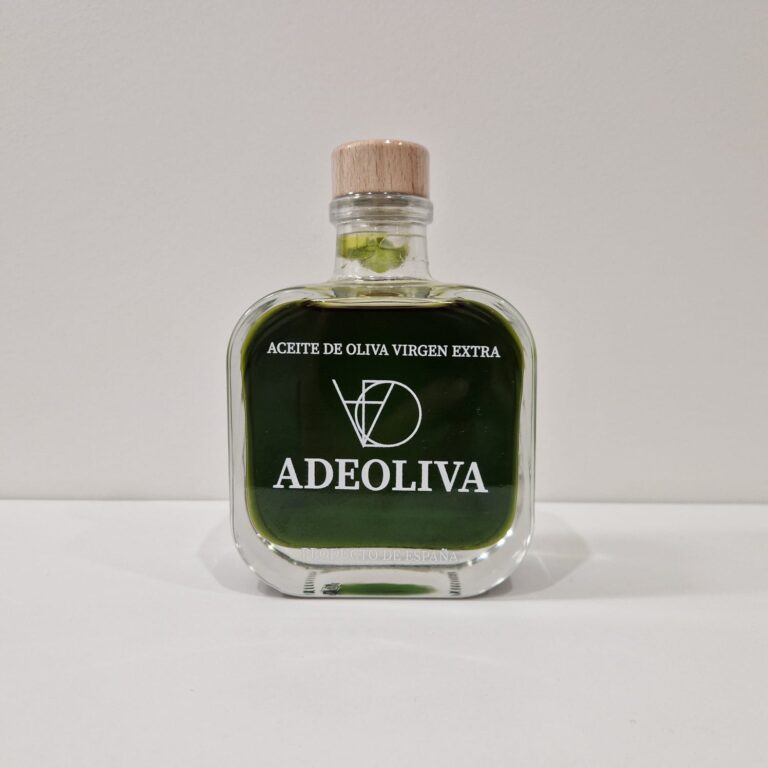
Early harvest olive oil usually has a greener, fresher and more aromatic profile, with notes that can recall freshly cut grass, olive leaf, green tomato or other vegetables. You can notice this especially in varieties such as Picual, known for its intense character, bitterness and pepperiness, and Royal, which can offer more delicate nuances and fruity aromas while keeping a personality of its own.
What is a later-harvest (traditional) EVOO?
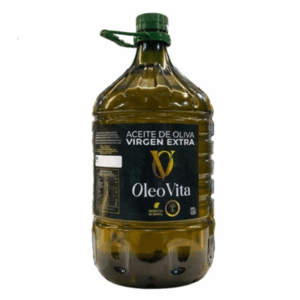
Later-harvest oils can show riper notes and a softer, more balanced feel, so they can be especially pleasant if you prefer a less intense profile. In the province of Jaén, Picual is the most widespread variety, as in the oil from Oleovita, which lets you enjoy the typical character of this variety. Its profile can vary with the ripeness of the olives and how the oil is made, offering nuances to suit different tastes and uses in the kitchen.
Which is more intense?
In general, early harvest olive oils are associated with greener, fresher and more intense profiles, as they are made from olives picked at an early stage of ripeness. When tasting, you can notice this in vegetal notes reminiscent of freshly cut grass, olive leaf, green tomato or aromatic herbs.
They also often show more pronounced bitterness and pepperiness, two positive attributes that give them personality and that are linked, among other factors, to their phenolic compounds. That’s why many high polyphenol olive oils are early harvest oils.
EVOOs made from riper olives, on the other hand, usually have milder, rounder and more balanced profiles, with nuances that can recall ripe fruit, nuts or sweeter notes. That said, this doesn’t mean that all traditional-harvest oils are mild or that all early harvest oils are equally intense.
Why can early harvest olive oil cost more?
Early harvest EVOO can cost more because the olives are picked before they are fully ripe and usually yield less oil. This means you need more olives to get the same amount of oil as with a later harvest.
However, a more expensive oil isn’t automatically better. To judge its quality, look at its origin, the olive variety, how it was made and its sensory characteristics. Both an early harvest EVOO and a later-harvest one can be of excellent quality if they meet the requirements of the extra virgin category.
Which makes more sense for cooking?
Because of its intensity, early harvest EVOO is especially good raw, so you can enjoy its aromas and flavour. It works very well on bread, tomato or salads, or as a finishing oil for all kinds of dishes.
A milder EVOO can be a more versatile choice for everyday use, when you want the oil to accompany the dish without standing out as much.
Early harvest vs traditional olive oil: which should you choose?
There is no universal winner: it all depends on your taste and how you want to use it in the kitchen. Early harvest olive oil can be a good choice if you’re looking for intensity, green aromas and a flavour with personality, especially raw on toast, salads or vegetables. A later-harvest EVOO, on the other hand, may suit you better if you prefer a milder, more balanced profile that is versatile for everyday use and, in many cases, cheaper.
The key is to find the oil that best suits your preferences, bearing in mind that harvest time affects its characteristics but doesn’t determine its quality on its own.

