Olive Oil Colour: Does It Really Indicate Quality?
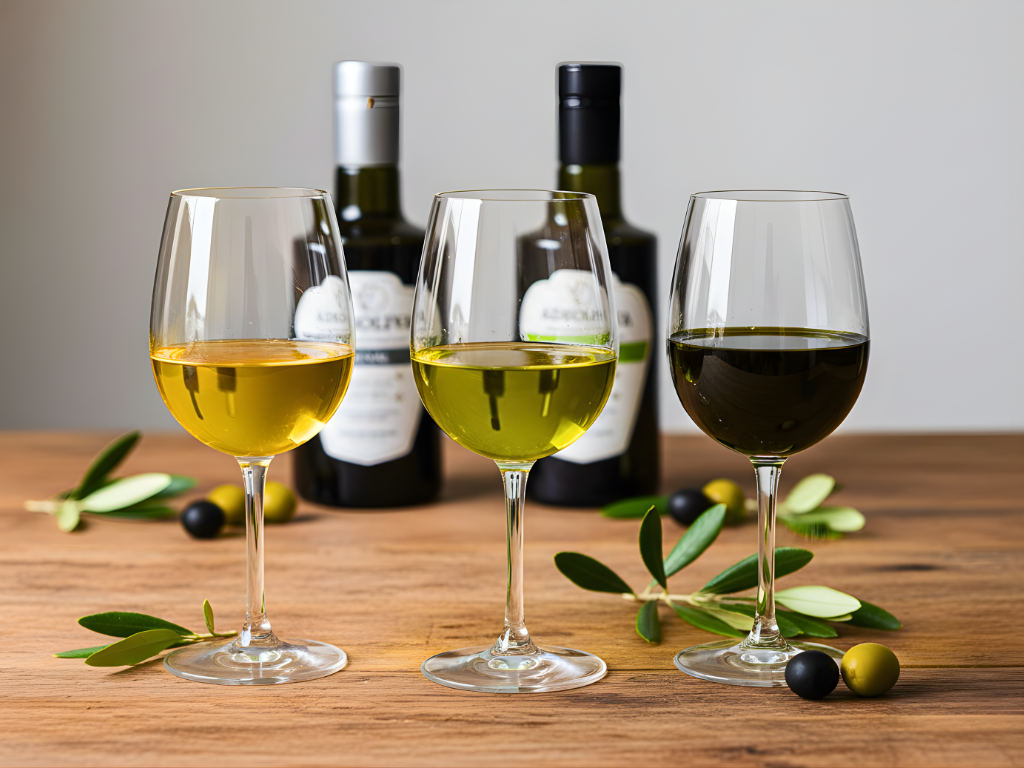
When we buy a bottle of olive oil, one of the first things we notice is its colour. Some people prefer intense green oils because they associate them with higher quality, while others choose more golden oils, thinking they are milder or more refined. But how much truth is there in these beliefs about olive oil colour?
The reality is that the colour of olive oil is not a reliable indicator of its quality. Several factors affect its colour, and knowing them can help you choose between the different types of oil on the market, from a premium EVOO to an unfiltered oil or the most exclusive gourmet oils.
What determines the colour of olive oil?
The colour of olive oil can range from intense green to golden yellow. This is mainly due to natural pigments in the olive. The main ones are:
Chlorophylls: give green tones.
Carotenoids: give yellow and golden colours.
Polyphenols: indirectly affect the appearance and stability of the oil.
Together, these determine how the oil looks, but not necessarily its quality.
What affects olive oil colour
Olive variety
Each olive variety has its own characteristics that affect the colour of its oil. For example:
So two excellent oils can be completely different colours.
Harvest time
How ripe the olive is is one of the most important factors.
Olives picked early give greener oils.
Riper olives give more yellow or golden oils.
Early harvest oils usually have more intense aromas and more antioxidant compounds, although that doesn’t mean later-harvest oils are of lower quality.
How the oil is made
How the oil is extracted and processed also affects how it looks.
An unfiltered oil usually looks cloudier and more intensely coloured because of the tiny particles of flesh and water suspended in it. Some people find this very appealing, although it needs more careful storage.
Storage
Over time, exposure to light, heat or oxygen can slightly change the colour of the oil. That’s why producers often use opaque or dark glass bottles to protect it.
Is greener olive oil better?
This is one of the most common questions. The answer is simple: not necessarily.
A green colour can point to an early harvest or a particular olive variety, but it doesn’t guarantee higher quality. In fact, professional tasters use blue glasses so that appearance doesn’t influence their judgement.
A professional tasting looks at:
Aroma.
Fruitiness.
Bitterness.
Pepperiness.
Balance.
Length on the palate.
Colour is not one of the quality criteria.
How to spot a good premium EVOO
If you’re looking for a genuine premium EVOO, look at things that matter more than colour. Some signs of quality are:
1. Harvest date
The more recent the harvest, the better the oil will keep its aroma and flavour.
2. Olive variety
Knowing the variety helps you understand the oil’s flavour and aroma profile.
3. Cold extraction
Cold extraction helps preserve aromatic and antioxidant compounds.
4. The right bottle
Dark bottles protect the oil from light and help it keep its quality for longer.
5. Certifications and origin
Designations of origin and quality labels give extra guarantees about the product.
The role of colour in gourmet oils
In the world of gourmet oils, appearance can influence how consumers see an oil. A bright green oil is often associated with freshness and intensity, while golden tones suggest mildness and delicacy. However, specialist producers know that the real value of a gourmet oil lies in:
The quality of the olives.
Care during production.
Proper storage.
The final sensory profile.
That’s why many of the best oils in the world are very different colours.
Which colour should you choose?
If you want intensity
Greener oils usually have more herbaceous, bitter and peppery flavours.
If you prefer something milder
More golden oils are usually sweeter and more balanced.
For tastings and food pairing
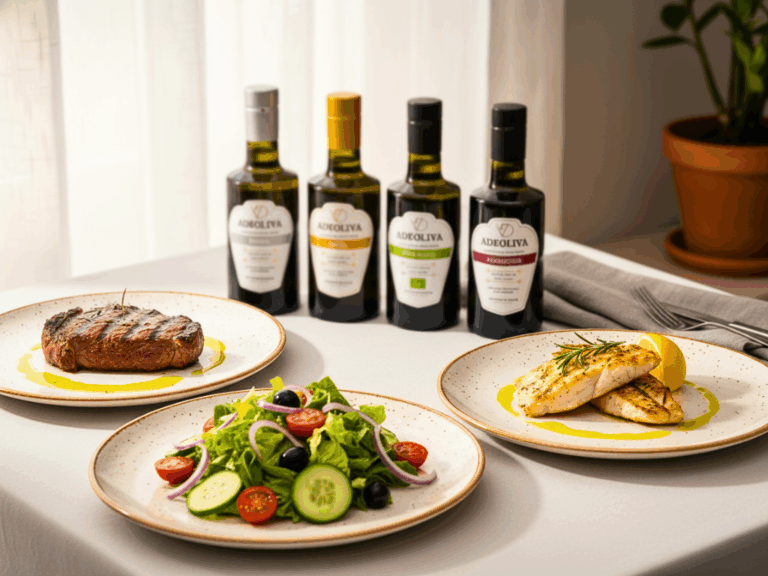
Both a good premium EVOO and an excellent unfiltered oil can bring unique nuances depending on the dish and the occasion. What matters is the flavour, aroma and quality of the product, not just its colour.
Conclusion
Olive oil colour is an interesting visual feature, but it doesn’t determine quality. The olive variety, harvest time, production process and storage all directly affect the final colour of the oil. Both green and golden oils can be of exceptional quality.
If you want to enjoy the best gourmet oils, a genuine premium EVOO or the particular character of an unfiltered oil, look at its origin, aroma, flavour and how it was made before its colour.