Unfiltered Olive Oil: What It Is and Tips for Buying It
Adeoliva Unfiltered Olive Oil (Picual)
An unfiltered extra virgin olive oil, harvested in late October in the Cerros de Úbeda (Jaén). A full-bodied, intense and fresh oil for your finest dishes.
Our brand, our essence: the green early harvest unfiltered EVOO that will win you over.
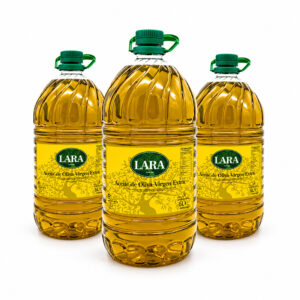
Lara unfiltered olive oil is an EVOO from ripe olives, harvested in December, with an intense flavour. Build your own box with 3 x 5L bottles of unfiltered EVOO, or mix with filtered.
La Muralla EARLY HARVEST Unfiltered Olive Oil 2L (ARBEQUINA)
Cortijo La Muralla’s oil is an early harvest unfiltered olive oil. Unfiltered Arbequina gives it a sweet, mild character.
Bottled to order. Try this unfiltered EVOO, harvested in December, with the body of a Picual and an intense, peppery flavour.
CONTENTS
You’ve probably noticed the striking texture and colour of unfiltered olive oil while shopping for olive oil. But what exactly is unfiltered olive oil? How is it different from filtered olive oil? Does it have more properties? Is it worth buying? We answer all these questions in this article.
What is unfiltered olive oil?
Unfiltered olive oil, traditionally called aceite en rama in Spain, comes straight from the juice of the olive. It is a 100% natural product. Oil, vegetation water and tiny particles of stone and olive flesh are the main components of this exquisite olive juice.
It looks slightly cloudy because of these particles, and has an intense green colour that can give an impression of greater purity. However, these features don’t affect the final quality of the product.
Unfiltered extra virgin olive oil is a high-quality food. It also has all the vitamins, benefits and properties of olive oil.
Unfiltered olive oil keeps a type of polyphenols called polar polyphenols, found in the vegetation water. Because this oil keeps small amounts of vegetation water, it also keeps some of these polyphenols. Polyphenols are natural antioxidants.
It’s best to use this type of olive oil raw, for example on toast, in salmorejo or with a good strong cheese. We don’t recommend it for frying.
How olive oil is filtered
Before explaining the differences between filtered and unfiltered olive oil, let’s look at the olive oil filtering process. Knowing it helps you understand the differences between the two.
We start from the point where we already have the olive juice, after the fruit has been milled. It still contains some impurities, such as a certain amount of water and microscopic particles of stone, flesh and skin from the olive itself. To clean this olive juice, the following processes are used:
First, the olive paste goes into a horizontal centrifuge (decanter), which removes solids such as stone, flesh and skin. The oil then goes into a second, vertical centrifuge, which separates the oil from the remaining water. Unfiltered oil is bottled after this stage.
Step one: the horizontal centrifuge
Step two: the vertical centrifuge
Filtering through cellulose plates. The main aim of this step is to extend the shelf life of the olive oil while keeping its sensory properties. It removes the tiny impurities left after milling. The result is a much cleaner, more translucent olive oil, with more shine and a more attractive look for the consumer.
Filtered or unfiltered olive oil?
It’s one of the big questions when choosing a quality extra virgin olive oil.
First of all, in terms of quality, there is no difference: both are high-quality olive oils.
The main difference is their appearance. Filtered olive oil looks cleaner, while unfiltered olive oil looks cloudier because of the particles it contains.
An important difference when buying filtered or unfiltered olive oil is how long it keeps. Because unfiltered olive oil keeps small impurities, it deteriorates faster, which can affect its qualities. That’s why it’s best to use it within a few months, and always within the year.
Unfiltered olive oil also tends to form sediment in the bottle, as the impurities and moisture left in the oil settle to the bottom. This doesn’t happen with filtered olive oil, because those impurities and moisture have been removed.
One advantage of unfiltered olive oil is that, when you buy it, it has been made very recently. It is considered a fresher oil, as it has to be sold as soon as possible to avoid losing quality. This may or may not be the case with filtered olive oil, which can keep its properties for longer.
Another difference you’ll notice between filtered and unfiltered olive oil is flavour and aroma. In unfiltered oil the aromas are more noticeable and the flavour is more intense, stronger and more peppery, always comparing oils from the same olive variety.
Tips for buying unfiltered olive oil
Some of the main tips for buying unfiltered olive oil are:
Buy it directly from the olive mill.
Check that it’s an unfiltered olive oil from the latest harvest.
Use it raw or in stews.
Don’t use it for frying.
Use it as soon as possible so it doesn’t lose quality.
Store it in a cool place.
This product is for anyone keen to taste new olive oil flavours, try olive oil in its most natural state and, in short, explore a new experience in the world of olive oil.
As for whether unfiltered olive oil is better than filtered, both are olive oils of the same quality. So it’s up to your own taste to decide which one you prefer.

 Earn