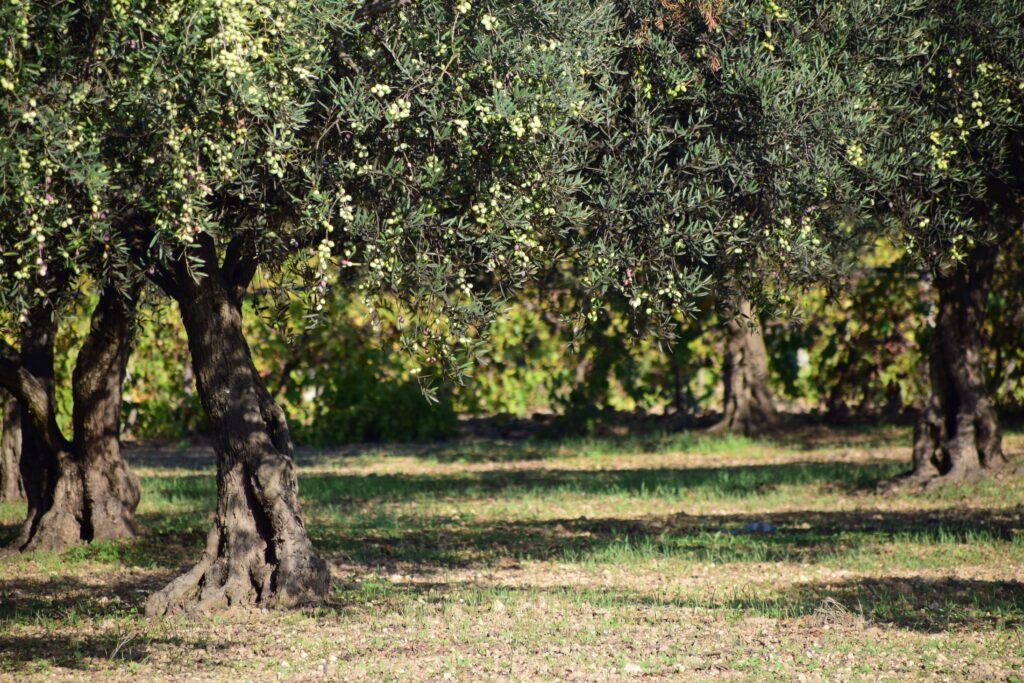
When we think of olives, we usually think of snacks, salads or olive oil, but there’s an interesting botanical question: are olives a fruit? They are. The olive develops directly from the flower of the olive tree and plays an essential role in the tree’s reproduction. The olive, the fruit of the olive tree, starts to develop after flowering and goes through several stages until it is ripe. Understanding this process helps us appreciate the countryside and extra virgin olive oil even more.
Why are olives a fruit?
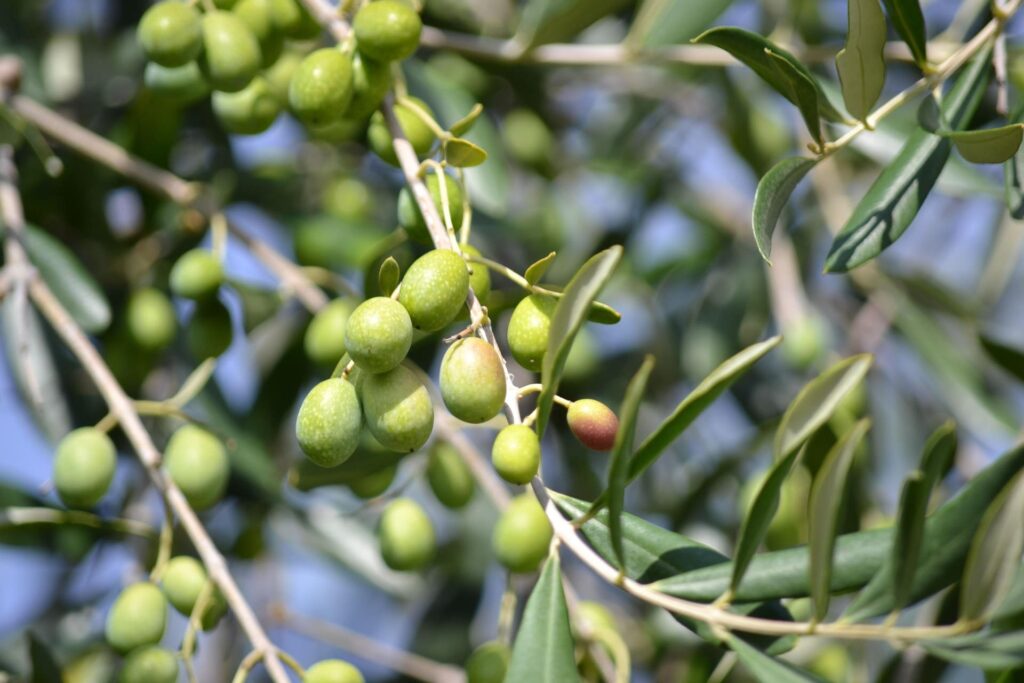
The answer is clear: olives are fruits because they develop from the ovary of a flower and contain a seed. Botanically, the olive is classed as a drupe, like other stone fruits such as cherries or plums. Although in the kitchen we use it as a snack, a savoury ingredient or the raw material for oil, that doesn’t change its nature. Want to know more about why it’s a fruit?
How the olive forms
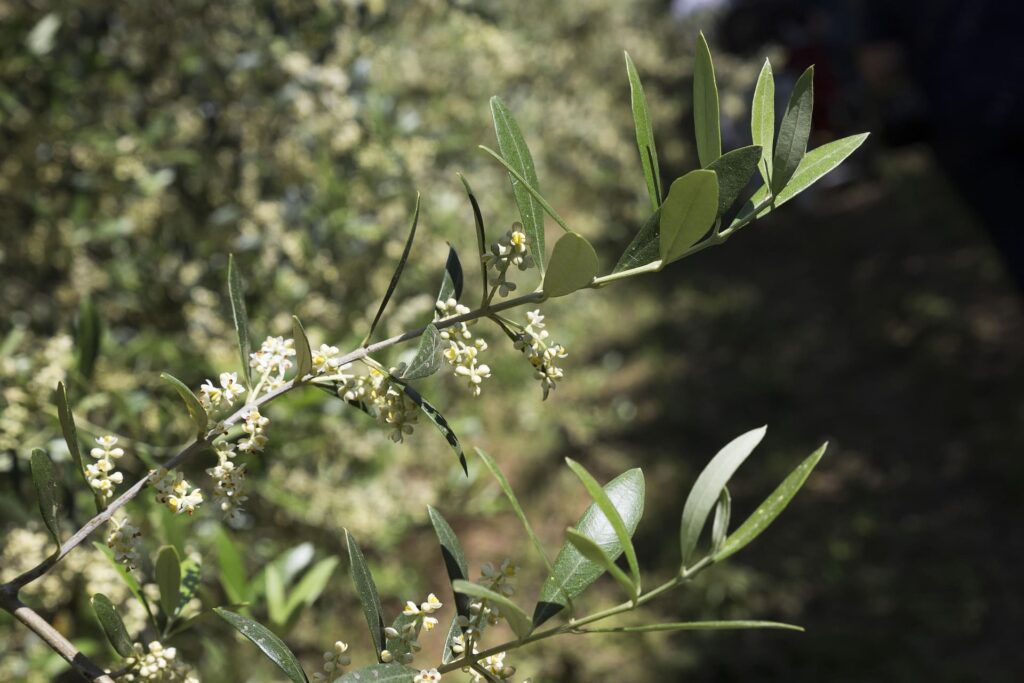
To understand why olives are fruits, it helps to look at how they form. The olive tree produces small flowers grouped in clusters, and after pollination some of them develop into fruit. The olive has an outer skin, a fleshy pulp and a stone that protects the seed. That’s why it belongs to the drupe family. Its size, shape, colour and composition vary with the variety, the environment and the harvest.
When does the olive tree flower?
The olive tree flowers in spring, usually between April and June in the northern hemisphere, and the fruit sets shortly afterwards. From then on, the fruit grows and ripens, getting bigger and taking on the characteristics of its variety. As it develops, the olive goes through several stages until it is ripe enough to harvest, either to be eaten as a table olive or to make olive oil.
Nutritional characteristics of the fruit
Saying that olives are fruits doesn’t mean they have the same composition as an apple or an orange. They are fruits rich in fat, and olive oil is made from their flesh. EVOO provides monounsaturated fats and vitamin E, while table olives have a different make-up and need to be processed before they can be eaten. Olives come in many forms, each with its own characteristics, but they all share the same origin: the olive, fruit of the olive tree. Knowing these differences helps you understand each format and choose it for its most common uses in the kitchen.
Conclusion
Now we know that olives are fruits, and there’s a botanical reason for it: they grow from the olive tree’s flowers and contain a seed protected by a stone. We’ve also seen when the olive tree flowers and how the fruit develops. In Jaén, this knowledge is part of the olive-growing culture. At Adeoliva, sharing it helps us value every harvest, every olive and every drop of oil.