Olive Grove: Types of Olive Farming and Characteristics
An olive grove is much more than a piece of land where trees grow. It’s a farm where many factors, such as climate, soil, olive variety and how the trees are looked after, directly affect the size and quality of the harvest.
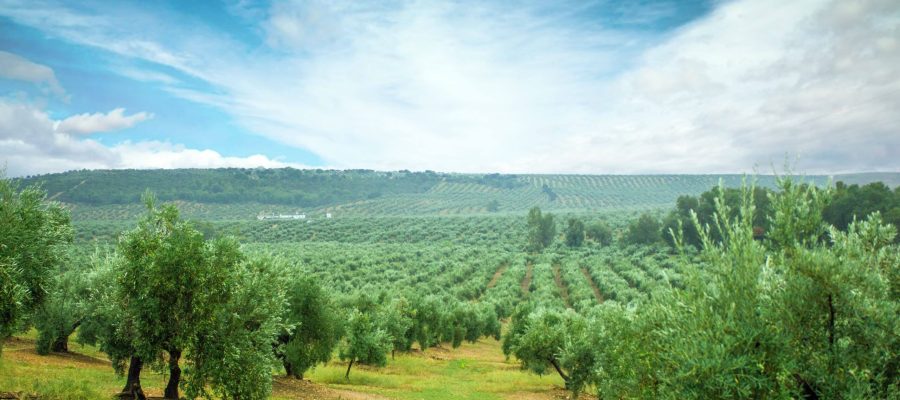
Spain has a long tradition of olive growing, and its landscapes are shaped by vast olive fields that, year after year, produce the olives for some of the most renowned olive oils.
But what makes an olive farm? How many trees can it have? What types of olive farming are there?
What is an olive grove?
An olive grove, or olive farm, is agricultural land mainly used for growing olive trees and producing olives. Depending on its size, location, the variety grown and the farming system, an olive farm can look very different.
How many olive trees can an olive farm have?
There is no fixed number of trees for an olive farm. It mainly depends on the area and the planting system.
In a traditional olive grove, the trees are usually further apart and each takes up more space. In intensive and super-intensive systems, planting density increases considerably.
Olive farm and olive grove: are they the same?
The two terms are related, but in Spanish they don’t mean exactly the same thing.
A finca (farm) is the land or property where farming takes place. The olivar (olive grove) is the crop itself: the olive trees growing on that land.
So we can talk about an olive farm to mean a property devoted to olive growing, and about an olive grove to refer specifically to the trees and the crop.
Planting olive trees
Before planting olive trees, you need to study the land and plan how the grove will be farmed.
Not all land is the same, and the choice of variety, tree layout and farming system must suit the conditions of each farm.
Choosing the land
The land is one of the first things to consider. Soil type, slope, drainage, orientation and water availability can all affect how the olive trees grow.
Choosing the variety
Spain has many olive varieties, such as Picual,Arbequina, Hojiblanca and Cornicabra, among many others. Each has its own characteristics and gives different qualities to the olive and to the oil made from it.
Tree layout
The spacing between olive trees mainly depends on the farming system chosen.
In traditional systems the trees are usually further apart, while intensive and super-intensive groves have a higher planting density.
The layout should also make it easy to carry out the work the grove needs and, where possible, to mechanise certain tasks.
Types of olive farming
Not all olive groves are farmed the same way. There are different farming systems, which differ mainly in planting density, tree layout and level of mechanisation.
Traditional olive grove
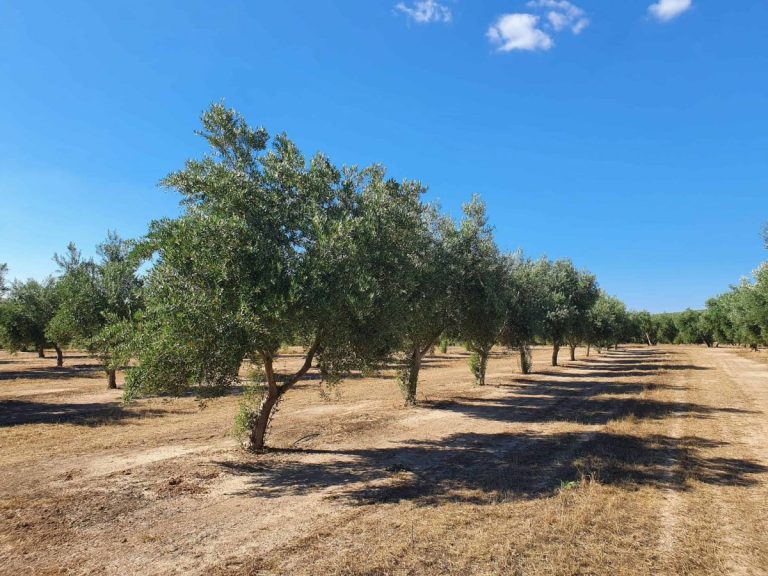
The traditional olive grove is one of the most typical farming systems in Spain.
It generally has fewer trees, planted further apart. In many areas these groves are made up of large trees that have been part of the landscape for generations.
Intensive olive grove
An intensive olive grove has more trees per hectare than the traditional system.
The layout makes better use of the land and makes it easier to use machinery for different tasks.
Super-intensive olive grove
A super-intensive olive grove takes planting density a step further. The trees are planted closer together, usually in continuous hedgerows.
This system is designed above all for mechanisation, especially at harvest time.
Why do traditional olive groves matter?
The traditional olive grove is part of the landscape and identity of many parts of Spain. Many of these groves have been handed down from generation to generation and represent a way of farming closely tied to the culture of olive oil.
A distinctive landscape
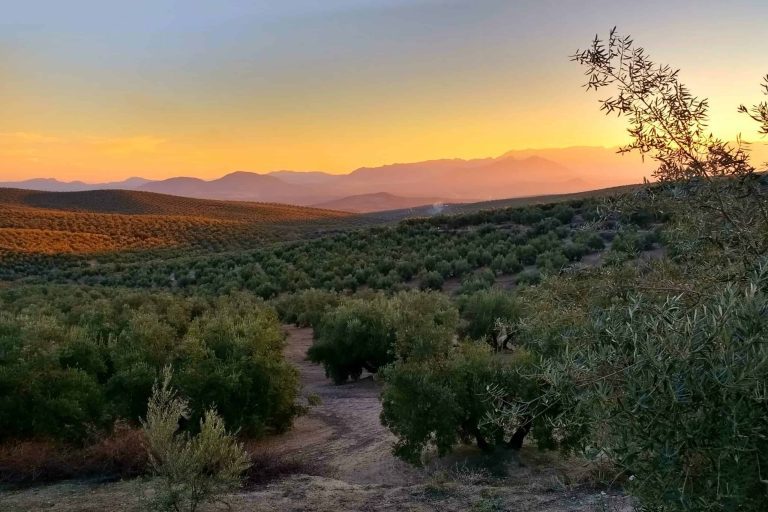
Traditional olive groves create landscapes that have become one of the most iconic images of many rural areas.
Trees of different ages and sizes give each area its own identity.
Tradition and know-how
Looking after these groves also keeps alive farming knowledge and practices handed down over generations.
Farmers’ experience is essential to understand how the crop behaves and adapt it to the conditions of each area.
Olive oil culture
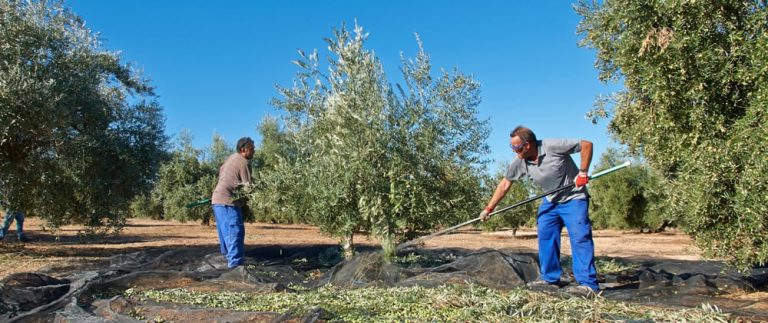
Finally, the traditional olive grove is closely linked to the culture of olive oil. Behind every harvest there is work that starts long before the oil is made and depends on the care of each olive farm.
Conclusion
An olive grove is the result of nature, farming and hard work combined. The land, the climate, the variety and the farming system determine how each grove develops.
From a traditional grove to an intensive or super-intensive one, each system has its own characteristics and needs. In every case, caring for the trees and the land is essential to keep an olive grove healthy and productive.
Getting to know our olive fields also helps us understand everything behind olive oil and value the tradition and work that start in the grove itself.