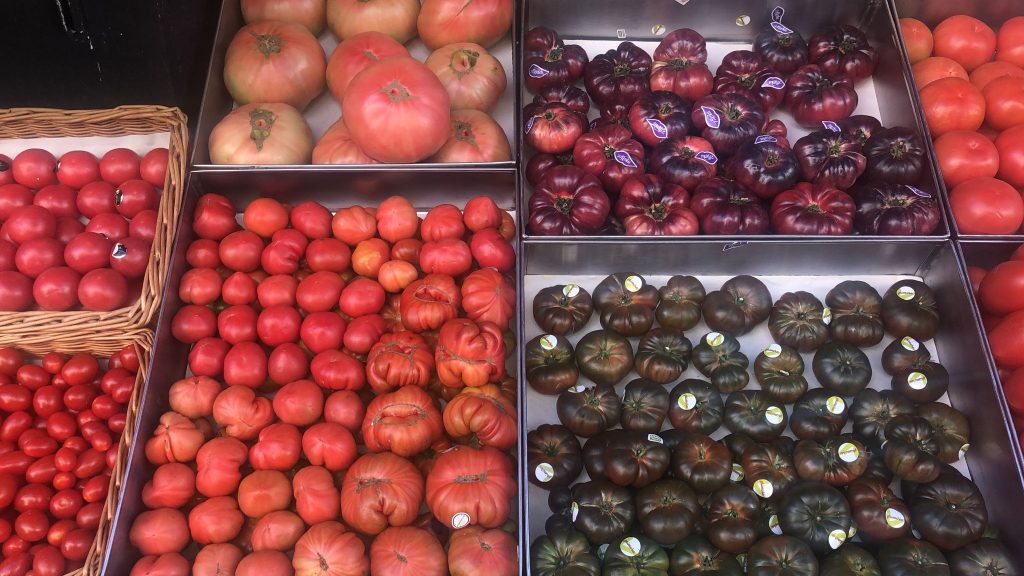
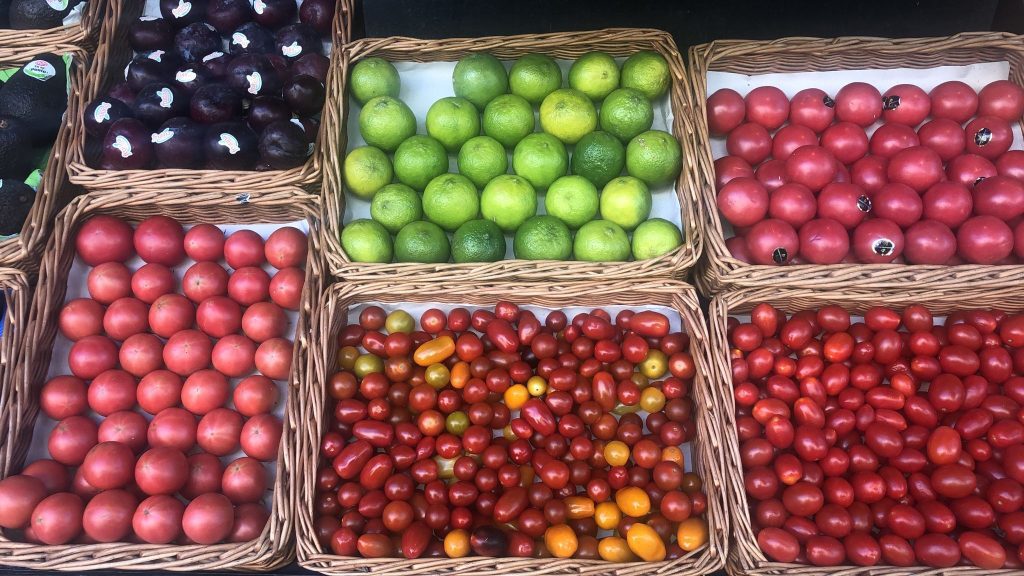
The tomato: a humble ingredient and often the star of dishes all over the world, from refreshing salads to tasty sauces and sophisticated gourmet dishes. Tomatoes add freshness, colour and, with a good dressing, an unbeatable flavour.
Did you know there are countless tomato varieties, each with its own characteristics and unique flavour? In this article we explore some Spanish tomato varieties that will captivate your senses and invite you to dive into the fascinating diversity of this versatile fruit.
Contents
Why buy Amela tomatoes?
The Amela tomato is a culinary gem that doesn’t go unnoticed.
Characteristics:
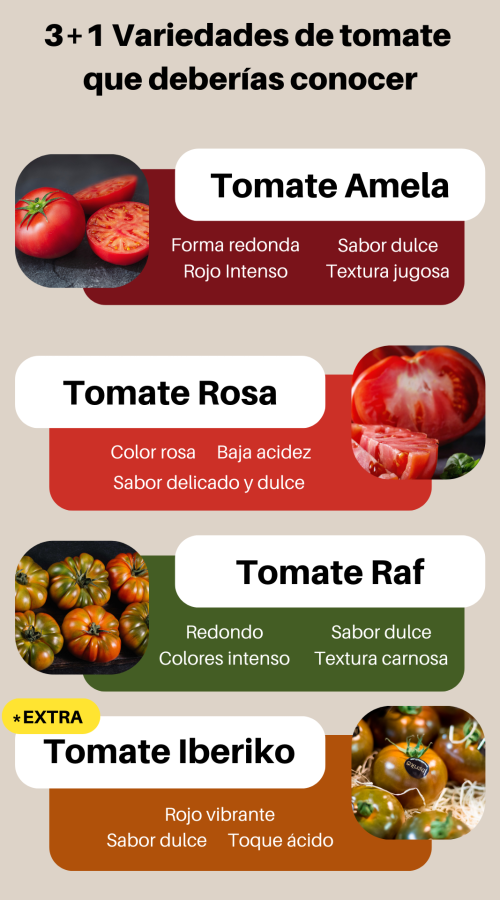
With its round shape and intense red colour, this tomato stands out for its sweet flavour and juicy texture. Every bite of an Amela tomato is an explosion of flavour, with a perfect balance of acidity and sweetness.
As well as its delicious flavour, its smooth skin makes it a pleasure to work with in the kitchen. It’s ideal for: a fresh salad, sauces or roasting in the oven; the Amela tomato takes any dish to another level.
Although few people recognise it by name, the Amela tomato is very common and widely grown across Spain, and it is very versatile and affordable. This, along with its other qualities, makes it one of the best options for everyday cooking.
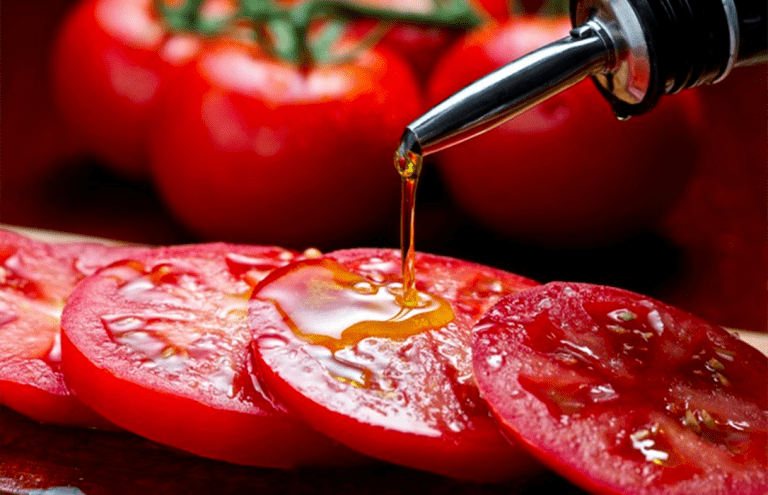
Here’s a serving suggestion that never fails: fresh tomato cut into thin slices with a drizzle of extra virgin olive oil. And to make it perfect, here’s a link to our star product, ADEOLIVA Nº1 Green Picual EVOO, the ideal oil for this kind of dish.
Where does the Rosa (pink) tomato come from?
The Rosa (pink) tomato is a charming choice that adds a touch of elegance to any dish.
Characteristics:
A predominantly pink colour and a delicate, sweet flavour make it a delight for the senses. It is prized for its mild flavour and low acidity, making it a popular choice for anyone who prefers gentler flavours.
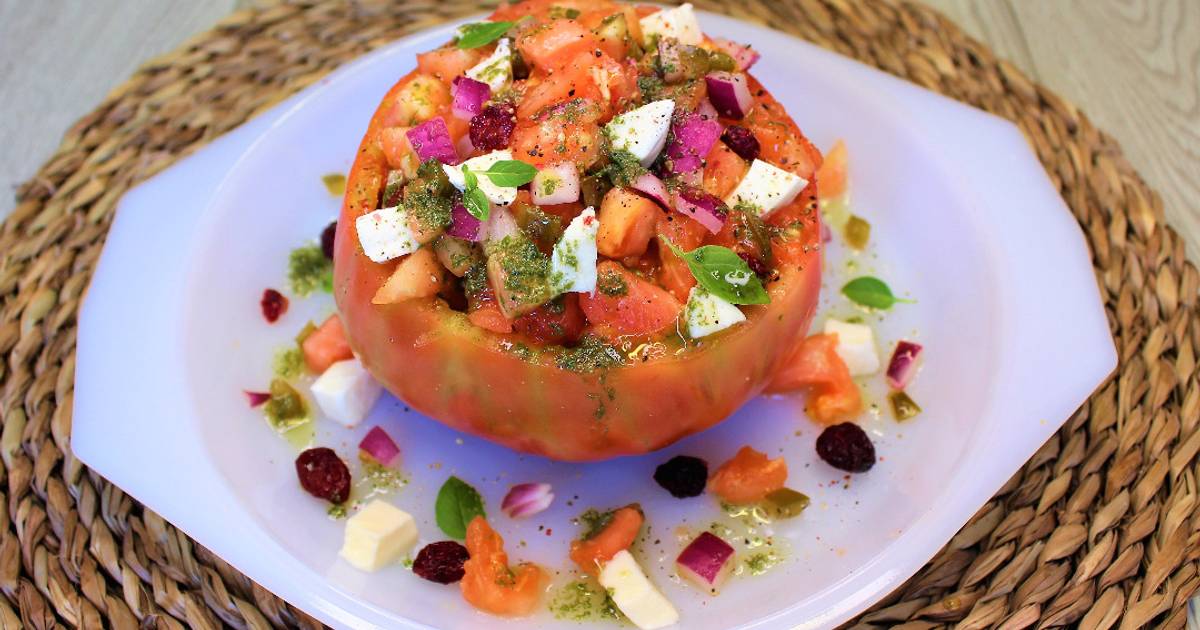
Its juicy flesh and smooth texture make it ideal for:fresh salads, gourmet bruschetta or simply sliced with a little sea salt and olive oil.
The Rosa tomato, also called the Rosa de Barbastro, comes from the town of Barbastro, as its name suggests, in the province of Huesca (Aragón) in northern Spain. This town, with a strong farmingtradition, has almost twenty thousand inhabitants, and it is the home of one of the best tomato varieties: the Rosa tomato.
The Raf tomato, also known as Raf Marmande, is considered by many to be the jewel in the crown of tomatoes.
Characteristics:
It comes from Spain and stands out for its irregular, ribbed shape and its dark green colour, which turns red as it ripens while keeping dark green shoulders. But what really sets it apart is its exceptionally sweet flavour and fleshy texture. Every bite of a Raf tomato is an explosion of flavour, with a perfect balance of sweetness and acidity.
Its smooth skin and juicy flesh make it ideal for:sauces, salads, or raw with a little olive oil.
If you’ve ever wondered how to spot a genuine Raf tomato, here are some tips:
Look at its appearance: the Raf tomato has an irregular shape with deep ribs, and a very dark green top even when ripe.
Check the season: it runs from November to May.
Look at the price: Raf tomatoes usually cost around €10 per kilo, sometimes more.
And finally, the taste.Notice its nuances: its sweet flavour is unmistakable.
As an extra wildcard, the Ibériko tomato is a true culinary gem that captivates with its flavour and appearance.
Characteristics:
With its round shape and vibrant red colour, this tomato stands out for its sweet and gently acidic flavour, reminiscent of the traditional flavours of the region.
This distinctive variety comes from the very heart of the Cabo de Gata Natural Park, in Almería, a place with ideal conditions for growing it. The climate, soil, wildlife, plants and other factors make it the perfect setting for one of the highest-quality tomato varieties.
Its juicy texture and firm flesh make it ideal for a wide range of dishes, from fresh salads and dressings to baked dishes.
Where to buy the best tomato varieties
If, after learning more about the many tomato varieties and their characteristics and uses, you’re curious to try some of them, we’d like to invite you to visit one of the best-known greengrocers in Madrid.
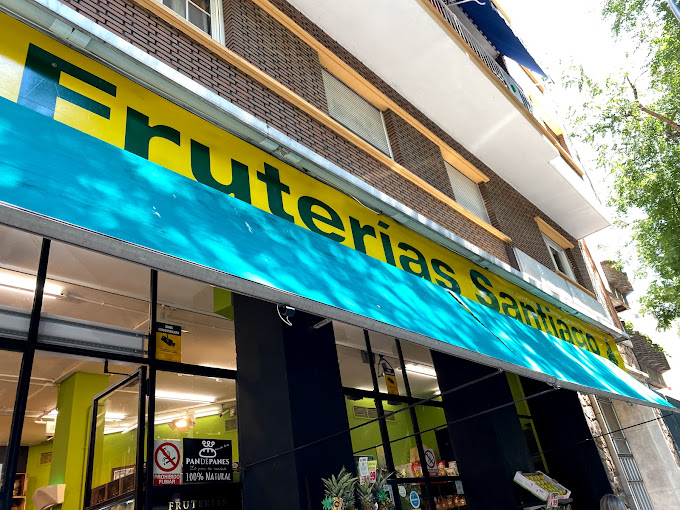
It’sFrutería Santiago, with an incredible range of fresh produce of all kinds and some very unusual varieties. We trust them, and they have given us the chance to stock a selection of our products.
Located on Calle Guzmán el Bueno, it’s a traditional neighbourhood shop of the kind that’s hard to find these days, with wonderful staff who are much loved by everyone who visits them every day. You can do your daily shoppingquickly and easily. Unlike many large stores and supermarkets, the products here are fresh, top quality and come with personal service.
A wide selection of fresh fruit and vegetables, with top-quality and seasonal produce, plus other everyday items such as bread, eggs and much more. They also offer in-store shopping, click and collect, and home delivery.
If you have some time and want to try any of these tomato varieties, drop in and ask: they’ll give you good advice and recommend the right tomato for what you want to cook. You can also buy one of our latest premium bottles of Adeoliva Nº1there and save on delivery.
Tips for buying the best tomatoes
Choose ripe tomatoes: look for tomatoes that are perfectly ripe, as they’ll taste better and have a better texture. Go for those with an intense, even colour, avoiding any with green patches or that are too soft.
Check how firm they are: tomatoes should be firm to the touch but not too hard. Very soft tomatoes may be overripe or starting to rot.
Smell them: ripe tomatoes should smell sweet and fresh. A sour or unpleasant smell may mean they’re past their best.
Look at the skin: it should be smooth and not too wrinkled. Avoid tomatoes with cuts, bruises or dark spots.
Consider the variety: each tomato variety has its own flavour and texture. Find out about the varieties available and choose the one that best suits what you’re cooking.
Buy in season: choose tomatoes that are in season, as they’ll have a fuller, fresher flavour. Check the local harvest seasons in your area and make the most of them.
Consider where they come from: if possible, choose organic or local tomatoes. Locally grown tomatoes are often picked riper and taste more authentic, and supporting local farmers helps a sustainable economy.
Other tomato varieties
In the fascinating world of tomatoes, there are varieties for every taste. Some other interesting, lesser-known ones are:
Cocktail tomatoes are small and tasty, ideal for snacks and gourmet salads.
Hanging tomatoes (tomates de colgar) are known for keeping for a long time, which makes them perfect for preserves and homemade sauces.
Cherry tomatoes aresmall and juicy, with a burst of flavour in every bite. They’re ideal for salads and snacks.
Blue tomatoes, striking for their unusual colour, have a mild, sweet flavour and are a unique way to add visual interest to your dishes.
Finally, Daniela tomatoes are known for their balanced flavour and long shelf life. They’re ideal for slicing into sandwiches or enjoying in fresh salads.
Discover the diversity of these tomato varieties and let their flavours and versatility in the kitchen win you over.