EVOO

The Adeoliva Magazine

EVOO

The Adeoliva magazine

Types of Olive Oil: Extra Virgin vs Olive Oil, Refined and Pomace

CONTENTS

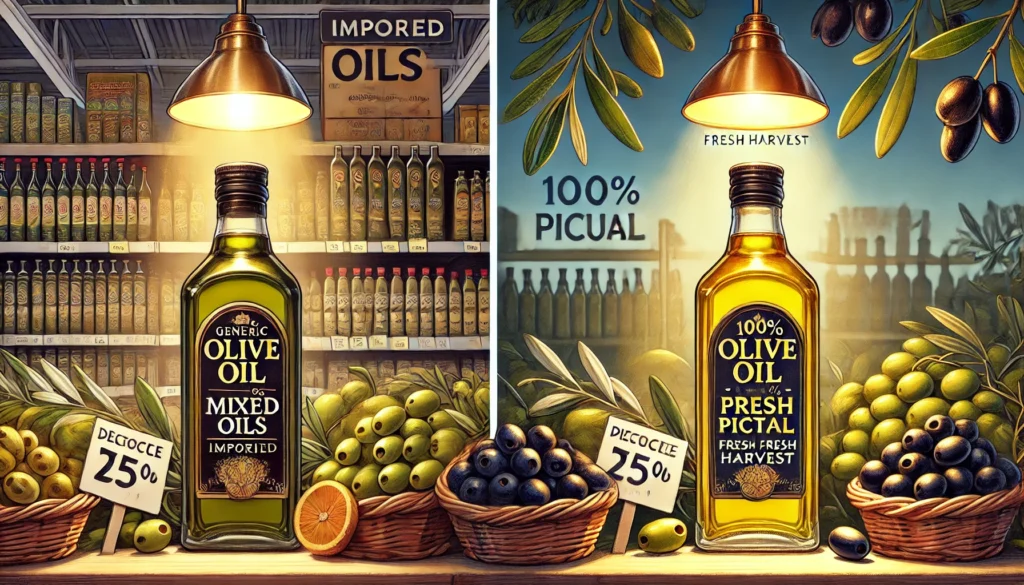
DALL·E 2025 01 21 01.02.17 A side by side comparison illustration. On the left a supermarket shelf with generic olive oil bottles labeled Mixed Oils and Imported Blend bri

Olive oil is one of the most valued products in the kitchen, for its flavour and nutritional qualities. But not all olive oils are the same.

There are different types, depending on their quality, extraction process and recommended use. Knowing the types of olive oil and the difference between olive oil and extra virgin olive oil will help you choose the right one for each recipe.

In this article you will discover the differences between the main types of olive oil and how they affect your cooking. Visit our shop:

Types of olive oil: from the purest to refined

Extra virgin olive oil (EVOO)

Extra virgin olive oil, or EVOO, is the highest grade of olive oil. It is obtained from olives by cold extraction, without chemicals or heat.

This method keeps the natural antioxidants and vitamins of the olive, making it a premium ingredient. EVOO also has a fruitier flavour, slightly bitter with a peppery touch, which makes it perfect for salads, dressings, bread and other dishes where you want the flavour of the oil to shine.

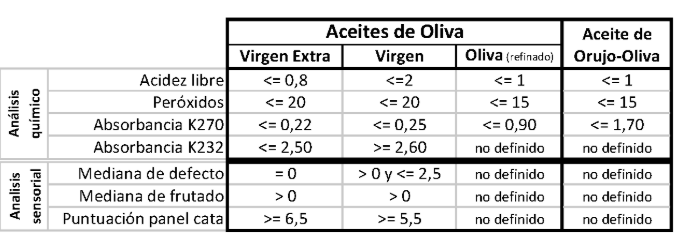
Our EVOO goes through strict laboratory analysis and a sensory tasting panel, where experts assess its acidity and other attributes such as flavour, aroma and texture. Acidity, a key indicator, must be below 0.8% for an oil to be classed as extra virgin.

Virgin olive oil (VOO)

Virgin olive oil, or VOO, is also cold extracted, but its quality is not as high as EVOO. It may have slight flaws in flavour or aroma, which sets it apart from extra virgin olive oil, and its acidity can be up to 2%.

The main difference between “olive oil” and extra virgin olive oil lies in the extraction process and the sensory qualities.

Extra virgin olive oil is obtained by mechanical extraction alone, with no chemical treatment, which keeps its natural characteristics: a fresher, fruitier flavour and acidity below 0.8%. It is the highest quality olive oil.

Ordinary “olive oil”, sometimes sold as “pure olive oil”, is a blend of refined olive oil with virgin or extra virgin olive oil.

Refining greatly reduces its sensory qualities, such as flavour, aroma and colour, which places it in a lower category than virgin oils.

Types of olive oil

Refined olive oils

Refined oil is oil that, after extraction, goes through an industrial process of bleaching, deodorising and neutralising acidity to remove defects and odours. During this process, unwanted substances such as free fatty acids are greatly reduced.

Adeoliva extra virgin olive oil

An oil’s acidity is the amount of free fatty acids it contains; in unrefined oils such as extra virgin, these are natural and reflect the oil’s freshness. Refined oil has a much lower acidity because these components are removed during refining.

Olive oil (OO): mild and intense

Olive oil (OO), also sold as “pure” or “light” olive oil, is a blend of refined olive oils and virgin olive oils. In Spain it comes in two main versions: mild (0.4°) and intense (1°).

– Mild olive oil: a more delicate, light flavour, perfect for recipes where you don’t want the oil to dominate. Ideal for stews, frying and mild dishes.

– Intense olive oil: with a stronger flavour, it is used in recipes that need more presence from the oil. Good for high-temperature frying and dishes that need an oil with more character.

Both are affordable and versatile for everyday cooking, from soups to sauces.

Olive pomace oil

Olive pomace oil is made from olive pomace, the solid residue left after extracting virgin olive oil. The oil is extracted with solvents and heat, refined and then blended with virgin olive oil. The result is a more neutral oil, with less flavour and fewer natural antioxidants than virgin oils.

This oil is more affordable and is used mainly in the food industry and in cooking where the flavour of the oil doesn’t matter much.

Although it has fewer antioxidants than virgin oils, olive pomace oil is still a suitable option for cooking at high temperatures.

Lampante olive oil

Lampante oil is the lowest grade of virgin olive oil and is not fit for direct consumption. It is a virgin oil with serious defects, usually from damaged or poor-quality olives, and its flavour and chemical characteristics make it unfit to eat as it is.

To be edible it must be refined. Its name comes from its traditional use as fuel for oil lamps.

How to choose the best olive oil?

Choosing the best type of olive oil depends on how you will use it and on your personal taste. If you want a flavourful oil full of natural antioxidants, extra virgin olive oil (EVOO) is the ideal choice. It is perfect raw, in salads or for dressings.

If you prefer a milder, more affordable oil for high-temperature cooking, olive oil (OO) may be your best choice. The mild version suits delicate dishes, while the intense version is perfect for frying and stews.

And if budget is a concern and you want an affordable option for cooking, olive pomace oil is suitable.

Conclusion

In short, the types of olive oil vary in quality and use, from extra virgin olive oil (EVOO) to refined oils such as pomace and lampante. The key to choosing the best oil is knowing your cooking needs. If you want a flavourful, high-quality oil, choose EVOO.

If you are looking for a more affordable oil for high-temperature cooking, a mild or intense olive oil will be perfect. Extra virgin olive oil: the best choice for healthy, delicious cooking.

Leave a Comment

Item added to cart.
0 items - 0,00€
Form popup cupón primera compra
SPECIAL OFFER ON YOUR FIRST ORDER

-5€

*Orders over €35

Form popup cupón primera compra
Privacy Overview
Adeoliva2_mini

This website uses cookies so that we can provide you with the best user experience possible. Cookie information is stored in your browser and performs functions such as recognising you when you return to our website and helping our team to understand which sections of the website you find most interesting and useful.

Strictly Necessary Cookies

Strictly Necessary Cookie should be enabled at all times so that we can save your preferences for cookie settings.

Analytics

This website uses Google Analytics to collect anonymous information such as the number of visitors to the site, and the most popular pages.

Keeping this cookie enabled helps us to improve our website.

Marketing

This website uses the following additional cookies:

(List the cookies that you are using on the website here.)