According to the International Olive Council, world olive oil production is around 3.2 million tonnes a year and it is produced in 32 countries. But just 10 of them produce almost all the olive oil consumed in the world, most of them in the Mediterranean basin.
World olive oil production
Italy is one of the world’s main olive oil producers, but it is its marketing that made it a global reference. Spain, on the other hand, has been and still is the world’s largest producer of extra virgin olive oil.
In 2018 Italy was the world’s second-largest olive oil producer, but the picture changed in the 2020-21 season, when total world production was around 3.2 million tonnes. Higher Spanish production and lower output from the other main EU producers once again made Spain the world’s largest producer of extra virgin olive oil.
Is the best olive oil Italian?
As well as being a producer, Italy has always been the world’s largest importer of Spanish olive oil. That is why, although it is only the fourth-largest producer in the world, olive oil you buy often carries a “Made in Italy” label. So Spanish vs Italian olive oil is not always what the label suggests.
Some years ago, reports also began to damage the reputation of Italian olive oil because of adulteration and fraud. This New York Times piece explains clearly what to check before you buy Italian olive oil.
Because of practices like this, the EU and the most affected member states, such as Spain and Greece, saw the need to push for correct olive oil labelling.
EU rules on olive oil labelling
- First, the label must show whether it is an organic oil, a PDO (Protected Designation of Origin), a PGI (Protected Geographical Indication) and/or has another quality certification. For example, the latest protected geographical indication: PGI Aceite de Jaén
- Category (EVOO, VOO, OO or olive pomace oil)
- Origin
- Nutrition information
As well as these mandatory rules, there are voluntary indications such as the production method, the acidity or the harvest year, to give consumers full information when they buy EVOO.
Because of situations like this, the Spanish Ministry of Agriculture, together with farmers’ associations such as ASAJA, UPA and COAG, agreed a series of measures on the traceability, labelling and market regulation of olive oil.
So which is the best olive oil?
There are many international awards and competitions in the olive oil world and, in our view, they are all valid.

London IOOC 2020: Awards for Spanish Extra Virgin Olive Oil
Spanish EVOOs shone at the LONDON IOOC 2020, with awards in four categories: quality, health claim, design and infused olive oils.

Olive Japan 2020: Spanish EVOO Triumphs in the Land of the Rising Sun
At Olive Japan 2020, the annual Japanese competition, Spain won 183 awards for its extra virgin olive oils, putting it in first place internationally.

NYIOOC 2020: Spanish Liquid Gold Conquers the Big Apple
At NYIOOC 2020, the prestigious international competition, Spain won 83 gold and 22 silver medals for the quality of its liquid gold. Discover the top 5.
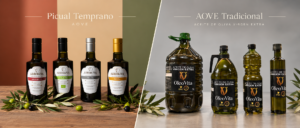
Even so, with long supply chains it is really hard to know a product’s purity, grade or origin.
At Adeoliva, we want to explain the advantages of buying extra virgin olive oil online:
- Access to plenty of information about the bottler/producer
- A 100% guaranteed origin
- No middlemen to speculate and push up the price of EVOO
- A wider range of products
- Olive oil of the highest quality
- Less risk of fraud by large bottlers
"Extra virgin olive oil: from the tree to the press, and from the press to your pantry"
Anónimo Tweet


