Andalusian Olive Groves: Spain’s Great Human-Made Forest
Andalusia has wonderful natural landscapes, such as Doñana National Park, the Tabernas Desert, Sierra Nevada and the Sierras de Cazorla, Segura y Las Villas, among others. They are symbols of our region, but in this article we focus on Andalusian olive groves as the green lung of Andalusia.
Andalusian olive groves, a green lung for the planet
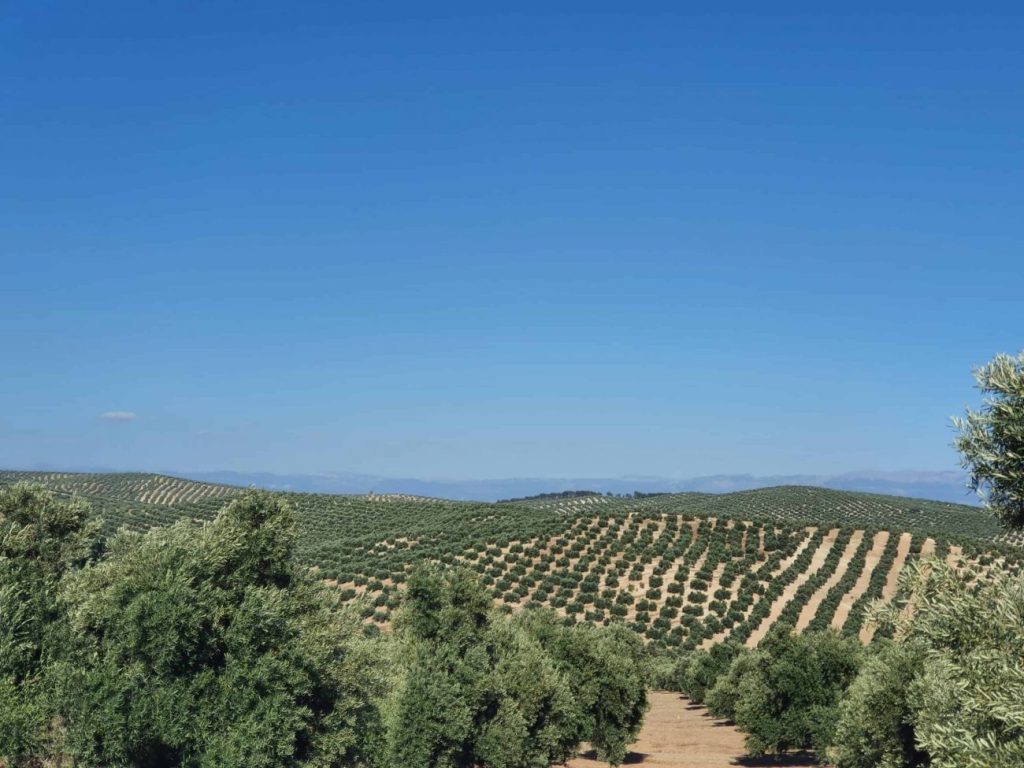
Andalusian olive groves stretch across the provinces of Jaén, Granada, Córdoba, Málaga and Seville, covering around 1,500,000 hectares. That is roughly 30% of Andalusia’s farmland, and Andalusia has 60% of Spain’s olive groves. Any visitor can see this for themselves as soon as they cross the Despeñaperros Natural Park, the gateway to the vast olive groves of the province of Jaén.
In the face of one of the great threats to human life, climate change, Andalusian olive groves are a clear example of a sector working towards a greener future. These olive forests help remove huge amounts of greenhouse gases from the atmosphere.
According to the International Olive Council, producing one litre of olive oil generates around 1.5 kg of CO2, while olive groves can absorb up to 11.5 kg of CO2 for every kilo of olive oil produced. That gives a remarkable positive balance of around 10 kg of greenhouse gases absorbed.
Andalusian olive groves are among the richest ecosystems in the Iberian Peninsula, with the olive tree as the star. The LIFE Olivares Vivos project studied the biodiversity of several olive groves in the area, with very positive results: numerous species of birds, ants and pollinating insects, among others.
The olive groves of the province of Jaén
Within this Andalusian sea of olive trees, the olive groves of the province of Jaén stand out: a true man-made forest of more than 65 million olive trees covering half a million hectares. That makes Jaén the world’s largest olive oil producing province.
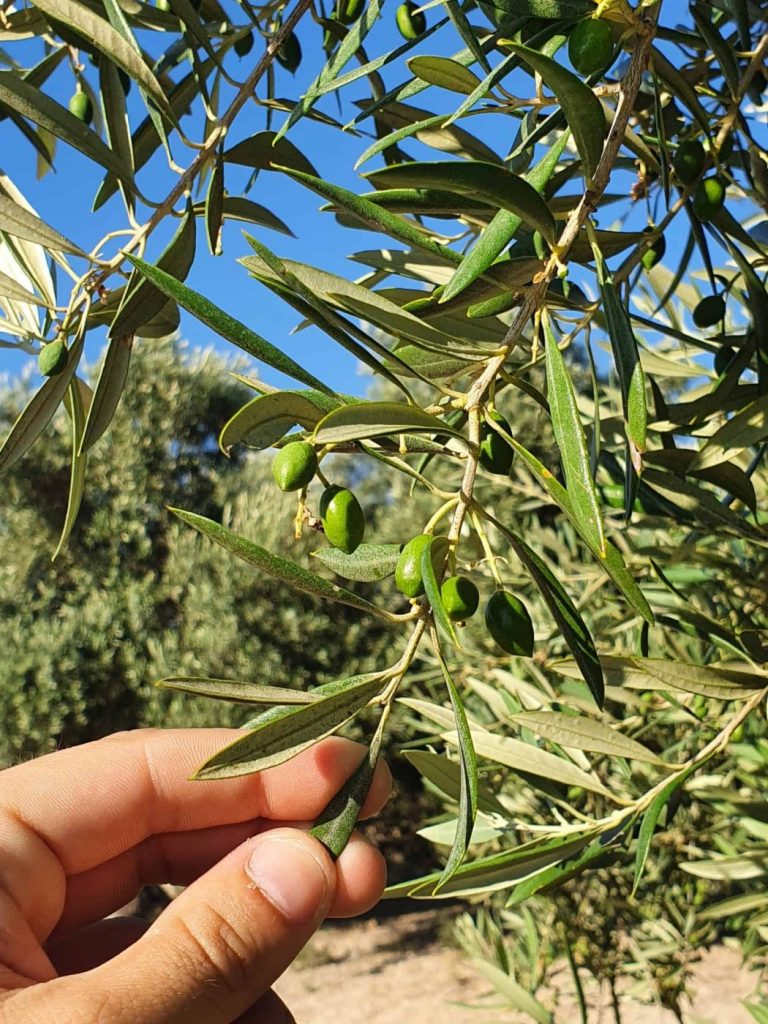
The main olive variety in Jaén is Picual, but you can also find other varieties such as Royal, Hojiblanca and Arbequina.
Just drive along the A-316 motorway between Úbeda and Alcaudete, known as the “Autovía del Olivar” (Olive Grove Motorway), to see the immense green blanket the olive groves spread across the province of Jaén.
Above all, we recommend the view of the La Loma district from Puente del Obispo, where the olive-green slopes reach the Renaissance World Heritage towns of Úbeda and Baeza.
From the viewpoints of Úbeda you can enjoy breathtaking views that explain the popular Spanish saying “Por los Cerros de Úbeda” (to go off on a tangent): a vast slope of olive groves stretching to the Sierra Mágina mountains.
Andalusian olive groves as a way of life
As well as being a source of biodiversity, the Andalusian olive grove is a way of life. In almost every family in Jaén, someone makes a living from olives or from something related to them. That’s why olive groves are the main source of wealth in the province of Jaén.
However, when this article was written, this vast natural landscape was under threat because of the olive oil price crisis the sector was going through. Low olive oil prices made harvesting unprofitable for many farmers, and in extreme cases some were forced to abandon their groves.
That’s why urgent action was needed to save one of Spain’s most important natural landscapes, with short-term measures agreed between the government, farmers and intermediaries to make production profitable again, rewarding quality and fair prices and so preserving this beautiful olive forest that covers the provinces of Jaén, Granada, Córdoba and Seville.